

“Keep the data in-country” is only one sovereignty requirement. Regulated organizations may also need local operational control, restricted support access, independently managed encryption, resilient dependencies, auditable administration and a credible ability to continue during geopolitical or network disruption.
AWS describes its European Sovereign Cloud as separate infrastructure located and operated in the EU, while its Digital Sovereignty Lens frames sovereignty as a set of design decisions. The broader lesson is useful regardless of provider: choose architecture only after legal, security and operational teams translate sovereignty into testable controls.
Separate residency, sovereignty and resilience
Residency defines approved locations for stored and processed data. Sovereignty concerns who can access and control systems under which jurisdiction. Resilience concerns continued service when dependencies fail. A solution can satisfy one and fail the others. Put each requirement in its own row with an owner, evidence and exception process.
Classify data and operations together
Inventory personal, operational, financial, design and plant data. Include metadata, telemetry, logs, support bundles, backups, model prompts and derived analytics. Then classify control-plane actions: provisioning, key rotation, incident response, account recovery and software deployment. Sensitive administration can cross a boundary even when application records do not.
Map every dependency
Draw identity providers, DNS, certificate authorities, source repositories, build systems, observability, ticketing, external APIs and vendor support. Mark where each runs, who operates it and what happens when cross-border connectivity is unavailable. A sovereign workload with a foreign identity or CI dependency may not be operationally autonomous.
Decide who controls the keys
Define key ownership, location, rotation, break-glass access and recovery. Customer-managed or externally held keys can strengthen control, but losing availability or the recovery process can stop the business. Test revocation and restoration with the same seriousness as encryption.
Design local operational capability
Identify which administrators, support engineers and incident responders are permitted to act. Use least privilege, just-in-time elevation, dual control and immutable audit records. Build local runbooks and train people to operate without a remote global team. Operational autonomy is a staffing and process commitment, not only a technical feature.
Create a dependency-loss exercise
Simulate loss of the public internet, global identity, a support channel or a shared management service. Confirm essential workloads continue, local operators can authenticate, backups are usable and stakeholders know the degraded mode. Record recovery time and manual steps. Fix undocumented human dependencies.
Keep evidence continuously
Collect configuration, data-location reports, access events, key logs, support access, software provenance and continuity tests. Map controls to applicable regulation and contracts with legal counsel. Avoid treating a provider certification as proof that the customer configuration and operating process are compliant.
Budget for the boundary
Separate regions, duplicate tooling, local staff, restricted support and independent recovery can cost more. Compare that cost with the value and legal necessity for each workload. Tier applications: not everything needs the strongest sovereignty profile. Shared services should not silently pull a high-tier workload back across the boundary.
Plan portability without pretending it is free
Document data export, configuration capture, key transition and replacement dependencies. Test restoration into an approved alternative environment. Portability reduces concentration risk but creates its own engineering and validation burden; maintain it only where the risk justifies the expense.
The takeaway: sovereign cloud is a chain of technical and organizational controls. A compliant region matters, but trust comes from knowing where data and administration flow, who can act, which dependencies remain, and whether local teams can keep operating when the normal path disappears.
From announcement to dependable operations
Start with a bounded business problem and an accountable owner. Record the current cost, delay, failure rate, and manual work before changing the architecture. Define a measurable outcome, but do not present an estimate as guaranteed savings. Include security, finance, operations, and the people who will support exceptions after launch.
Map the current workflow before selecting technology. Identify the source of truth, approval points, downstream consumers, sensitive data, recovery objectives, and every manual workaround. Decide which step the new capability improves and which steps remain unchanged. This prevents a demonstration from being mistaken for an end-to-end operating solution.
Build a representative pilot with real permissions, data volume, dependency behavior, and user roles. Test peak demand, missing data, stale configuration, denied access, duplicate input, partial failure, recovery, and rollback. Document what continues when the new capability is unavailable. Keep an approved manual path for high-consequence decisions.
Security must be part of the design. Use separate workload identities, short-lived credentials, least privilege, encrypted transport and storage, controlled secrets, and auditable administrative access. Treat retrieved documents, event payloads, model output, and third-party responses as untrusted input. Validate every action at the boundary where it affects money, data, equipment, customers, or regulated records.
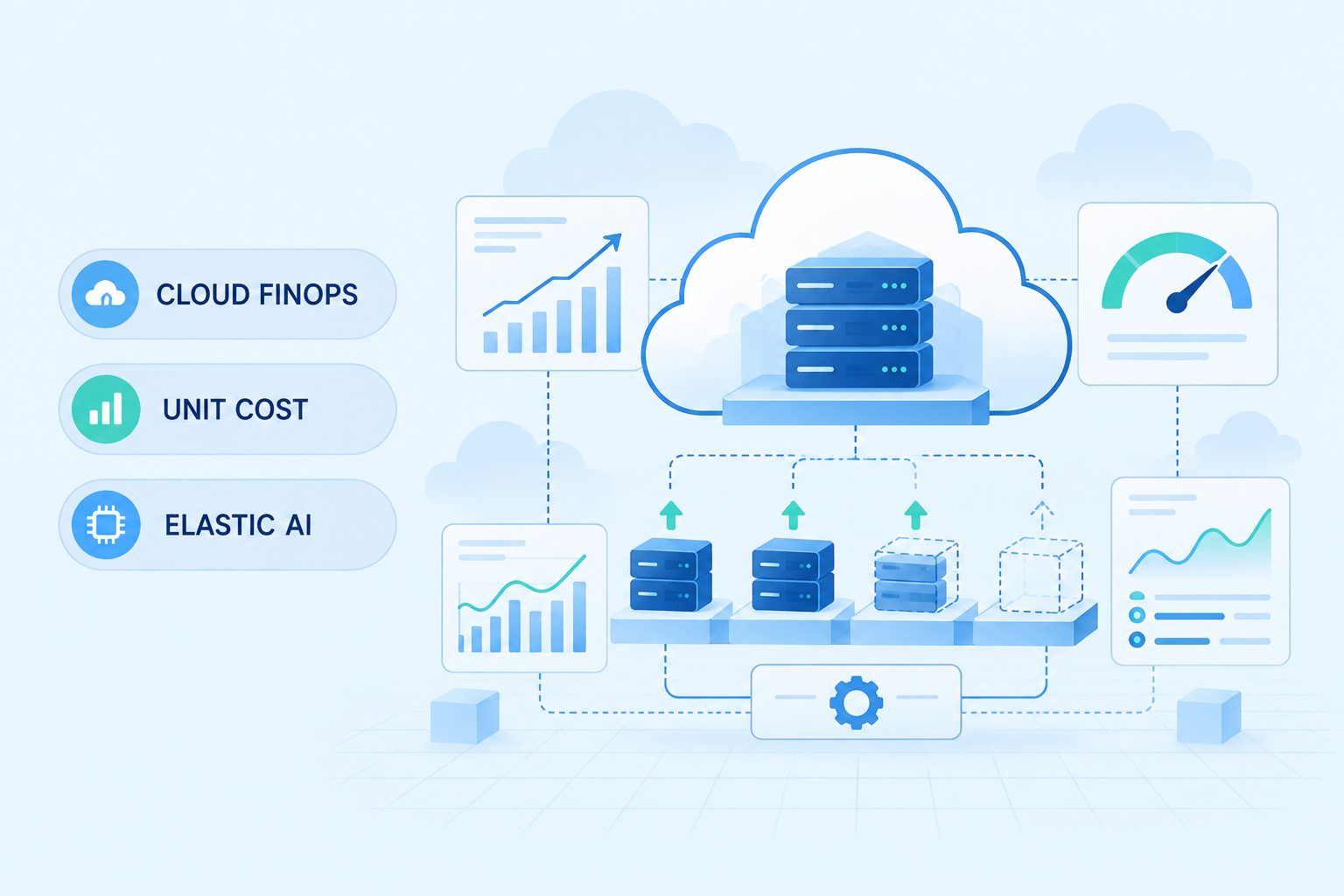
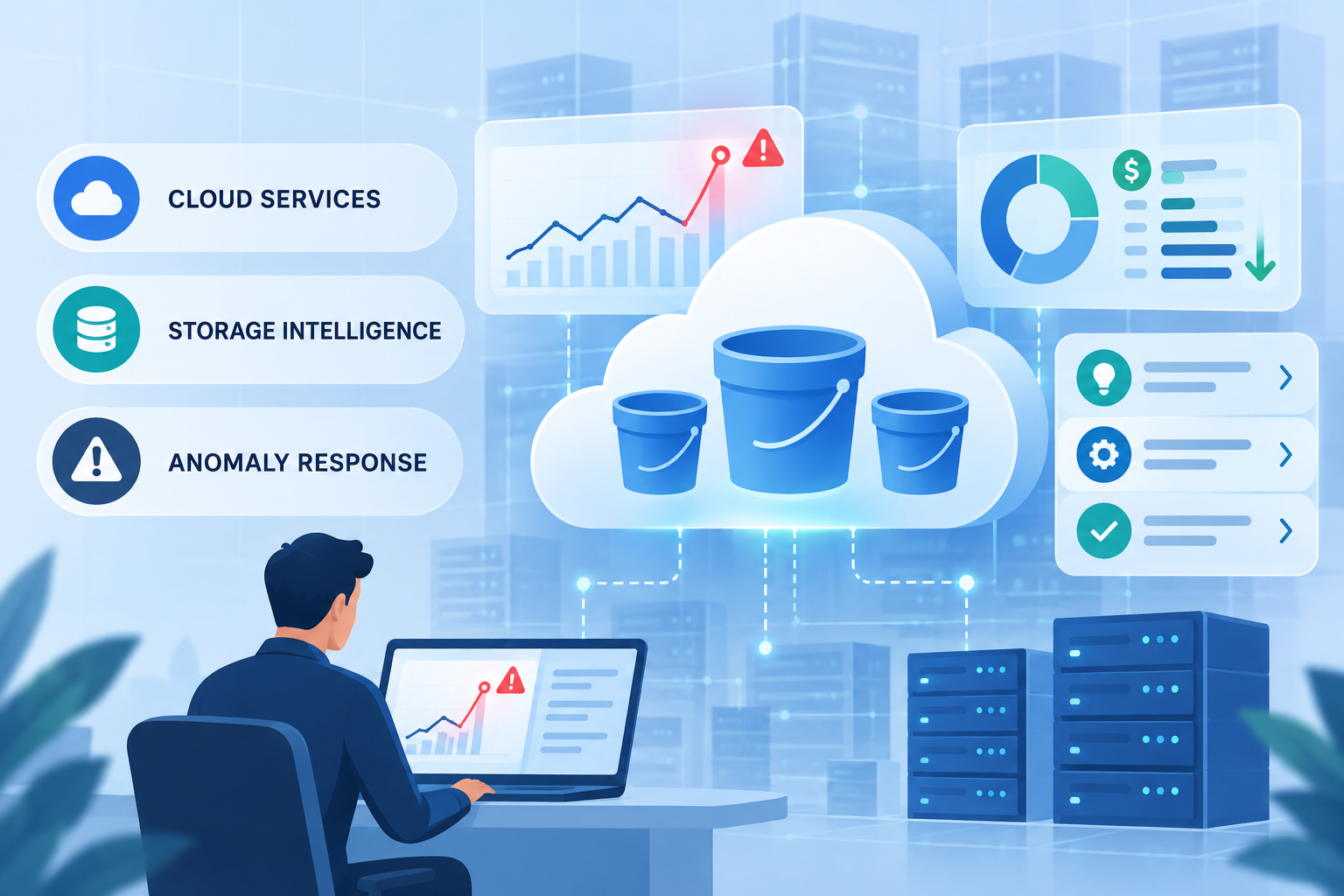
Cost controls need similar depth. Tag usage to a product and owner, define budgets and anomaly thresholds, measure cost per successful business outcome, and include integration, support, data movement, licensing, and training. A lower infrastructure bill can be offset by more exceptions or human correction. Evaluate total process cost rather than one service price.
Operate the result like a product. Monitor availability, latency, unit cost, data quality, security findings, user adoption, exceptions, and support effort. Version configurations and decision rules. Log changes and approvals. Review whether the capability still solves the original problem as prices, products, and workflows evolve.
Prepare the support model before launch. Give responders dashboards, runbooks, ownership, escalation paths, and safe diagnostic access. Alert on stale data and silent degradation, not only complete failure. Practice a dependency outage and verify that queued work, retries, reconciliation, and user communication behave as designed.
Change management is also technical risk control. Explain what users should trust, what they must verify, and how they report a wrong result. Train with real scenarios and capture overrides as useful feedback. Do not measure adoption by logins alone; measure whether the process becomes faster, safer, or more accurate.
Maintain a decision record that states why the technology was selected, which alternatives were considered, which risks were accepted, and what would trigger redesign or retirement. Review it after incidents and major vendor changes. Portability does not require avoiding managed services; it requires knowing which data, contracts, identities, and operational procedures must survive a change.
Expansion should follow evidence. Compare the pilot with its baseline, include the cost of integration and governance, and retire components that no longer earn their complexity. A new feature creates value only when teams can understand it, control it, recover it, and improve it without depending on one specialist.
Finally, schedule a formal review after thirty and ninety days. Ask whether users changed behavior, whether exceptions moved elsewhere, and whether actual costs match the forecast. Publish the findings to sponsors and delivery teams. If value is weak, narrow the scope or stop. Responsible innovation includes the ability to end an experiment cleanly.
Sources
Build it with Cogniquaint experts
Cogniquaint’s cloud, security and integration experts can turn sovereignty obligations into a control matrix, map data and operational dependencies, design identity and key boundaries, build continuity exercises, automate evidence collection, and implement an operating model alongside your compliance team.
Work with Cogniquaint
Ready to elevate your operations with AI-powered insights?
Get in touch with us to build your next intelligent solution.