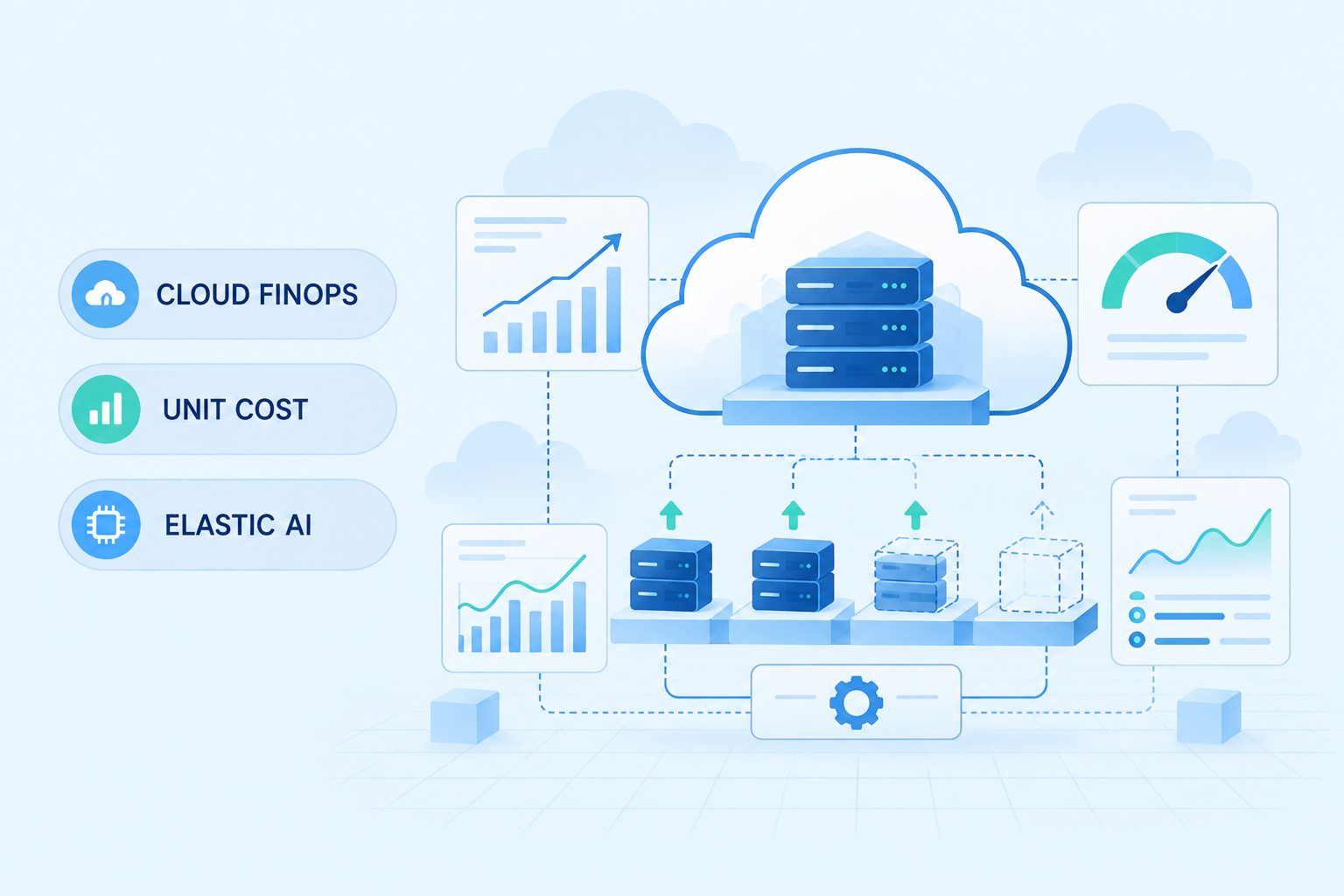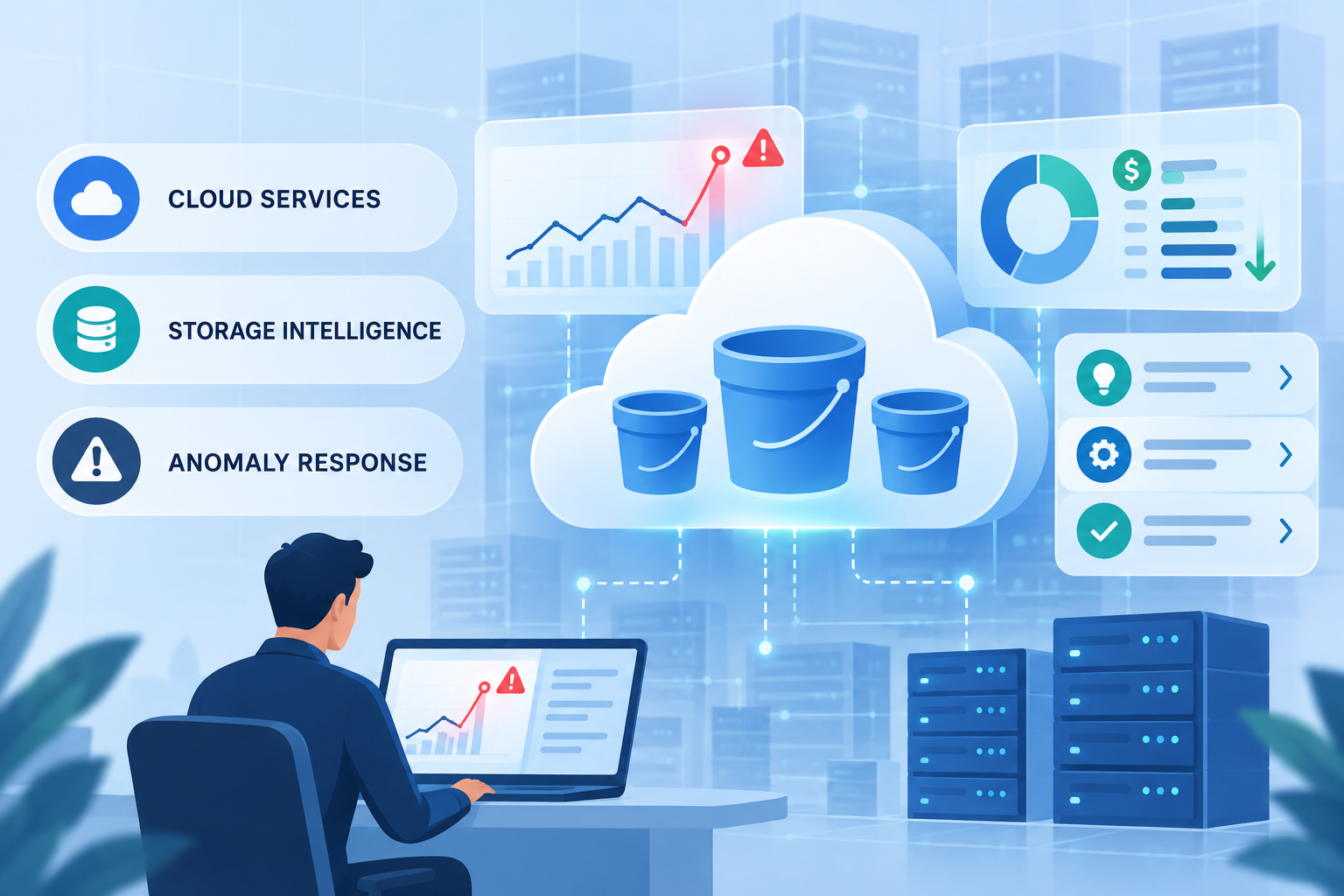


AWS Lambda Web Functions, launched October 12, let teams deploy a standard port-listening Node.js HTTP server without converting every route into an event handler or adding a framework adapter. A warm environment can handle multiple concurrent requests, responses can stream, deployments can span regions, and idle applications can scale to zero. Billing separates requests, active CPU time, memory over the environment lifetime and data transfer.
That combination opens a useful middle ground between event functions and container platforms. It does not make every web application an automatic serverless candidate.
Start with traffic shape
Good candidates have variable demand, meaningful idle periods, I/O-heavy requests and tolerance for initialization delay after scale-to-zero. Constant high utilization, CPU-heavy synchronous work or strict single-digit latency may fit other compute better. Replay representative traffic and include bursts, long responses, slow databases and client disconnects.
Audit runtime assumptions
At launch, Web Functions support Node.js 24 on Arm64 with a 2 GB environment. Multiple requests share one process and event loop. Remove global per-request state, blocking file access and synchronous CPU hotspots. Confirm native dependencies support the architecture and automatic runtime patching. Treat the local filesystem and process lifetime as temporary.
Protect downstream systems
Fast scaling and per-environment concurrency can overwhelm databases and partner APIs. Set endpoint request-rate and maximum-environment controls, choose concurrency deliberately, and use connection management, timeouts and backpressure. Test whether one slow request blocks others and whether memory remains safe under concurrent payloads.
Put a controlled front door in place
Documentation recommends CloudFront for custom domains or AWS WAF. Use origin access control so clients cannot bypass the intended edge path. Validate forwarded headers before using them for redirects or authorization; AWS notes that some forwarded values can come from clients. Apply application authentication, rate limits, secrets management and least-privilege VPC access.
Plan state and global behavior
Sessions, uploads and durable jobs belong in external services. A multi-region endpoint can send later requests to another region, so do not use an execution environment as a session store. Define data residency, consistency, failover and observability across regions before calling the application global.
Compare full operating cost
Measure requests, active CPU, memory lifetime, transfer, edge services, logging, databases and developer support. A waiting request uses little CPU but memory still accrues. Compare the result with existing containers or platform services at realistic utilization.
The practical takeaway: Web Functions reduce migration friction for a certain class of Node.js applications. A successful move validates concurrency, state, security and downstream capacity—not merely whether the framework starts.
From announcement to dependable operations
Start with a bounded business problem and an accountable owner. Record the current cost, delay, failure rate, and manual work before changing the architecture. Define a measurable outcome, but do not present an estimate as guaranteed savings. Include security, finance, operations, and the people who will support exceptions after launch.
Map the current workflow before selecting technology. Identify the source of truth, approval points, downstream consumers, sensitive data, recovery objectives, and every manual workaround. Decide which step the new capability improves and which steps remain unchanged. This prevents a demonstration from being mistaken for an end-to-end operating solution.
Build a representative pilot with real permissions, data volume, dependency behavior, and user roles. Test peak demand, missing data, stale configuration, denied access, duplicate input, partial failure, recovery, and rollback. Document what continues when the new capability is unavailable. Keep an approved manual path for high-consequence decisions.
Security must be part of the design. Use separate workload identities, short-lived credentials, least privilege, encrypted transport and storage, controlled secrets, and auditable administrative access. Treat retrieved documents, event payloads, model output, and third-party responses as untrusted input. Validate every action at the boundary where it affects money, data, equipment, customers, or regulated records.
Cost controls need similar depth. Tag usage to a product and owner, define budgets and anomaly thresholds, measure cost per successful business outcome, and include integration, support, data movement, licensing, and training. A lower infrastructure bill can be offset by more exceptions or human correction. Evaluate total process cost rather than one service price.
Operate the result like a product. Monitor availability, latency, unit cost, data quality, security findings, user adoption, exceptions, and support effort. Version configurations and decision rules. Log changes and approvals. Review whether the capability still solves the original problem as prices, products, and workflows evolve.
Prepare the support model before launch. Give responders dashboards, runbooks, ownership, escalation paths, and safe diagnostic access. Alert on stale data and silent degradation, not only complete failure. Practice a dependency outage and verify that queued work, retries, reconciliation, and user communication behave as designed.
Change management is also technical risk control. Explain what users should trust, what they must verify, and how they report a wrong result. Train with real scenarios and capture overrides as useful feedback. Do not measure adoption by logins alone; measure whether the process becomes faster, safer, or more accurate.
Maintain a decision record that states why the technology was selected, which alternatives were considered, which risks were accepted, and what would trigger redesign or retirement. Review it after incidents and major vendor changes. Portability does not require avoiding managed services; it requires knowing which data, contracts, identities, and operational procedures must survive a change.
Expansion should follow evidence. Compare the pilot with its baseline, include the cost of integration and governance, and retire components that no longer earn their complexity. A new feature creates value only when teams can understand it, control it, recover it, and improve it without depending on one specialist.
Finally, schedule a formal review after thirty and ninety days. Ask whether users changed behavior, whether exceptions moved elsewhere, and whether actual costs match the forecast. Publish the findings to sponsors and delivery teams. If value is weak, narrow the scope or stop. Responsible innovation includes the ability to end an experiment cleanly.
Sources
Build it with Cogniquaint experts
Cogniquaint’s cloud team can assess application fit, profile traffic and runtime behavior, design CloudFront and WAF controls, protect downstream dependencies, automate deployment, and verify performance and total cost before production cutover.
Work with Cogniquaint
Ready to elevate your operations with AI-powered insights?
Get in touch with us to build your next intelligent solution.