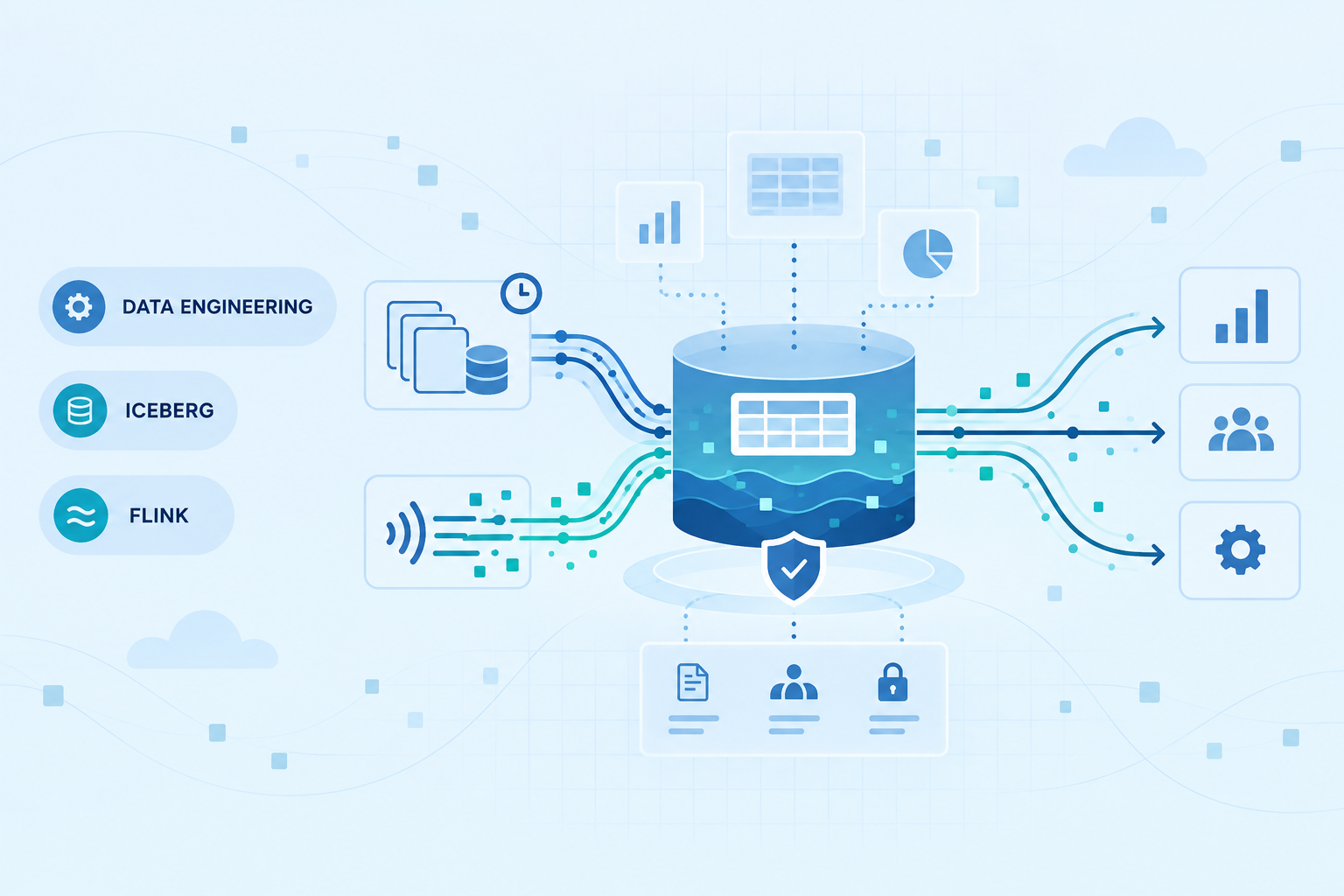


Incremental pipelines need a reliable answer to a simple question: what changed since the last successful run? Traditional change data feed on Delta tables materializes change records during writes and requires table-by-table enablement. Databricks is rolling out automatic change data feed, which computes row-level changes during reads using row tracking for Delta Lake and row lineage for Apache Iceberg v3. The same table_changes() and streaming interfaces can serve incremental ETL, replication and audit use cases.
The design can improve write performance and reduce change-storage overhead for qualifying tables. It does not remove the responsibilities that make incremental processing trustworthy.
Verify row identity and feature requirements
Automatic CDF depends on the platform retaining enough lineage to identify rows across versions. Confirm runtime, table format, row-tracking or lineage requirements and regional availability before planning a migration. Inventory tables with updates and deletes, because append-only streams have simpler alternatives.
Define the retention contract
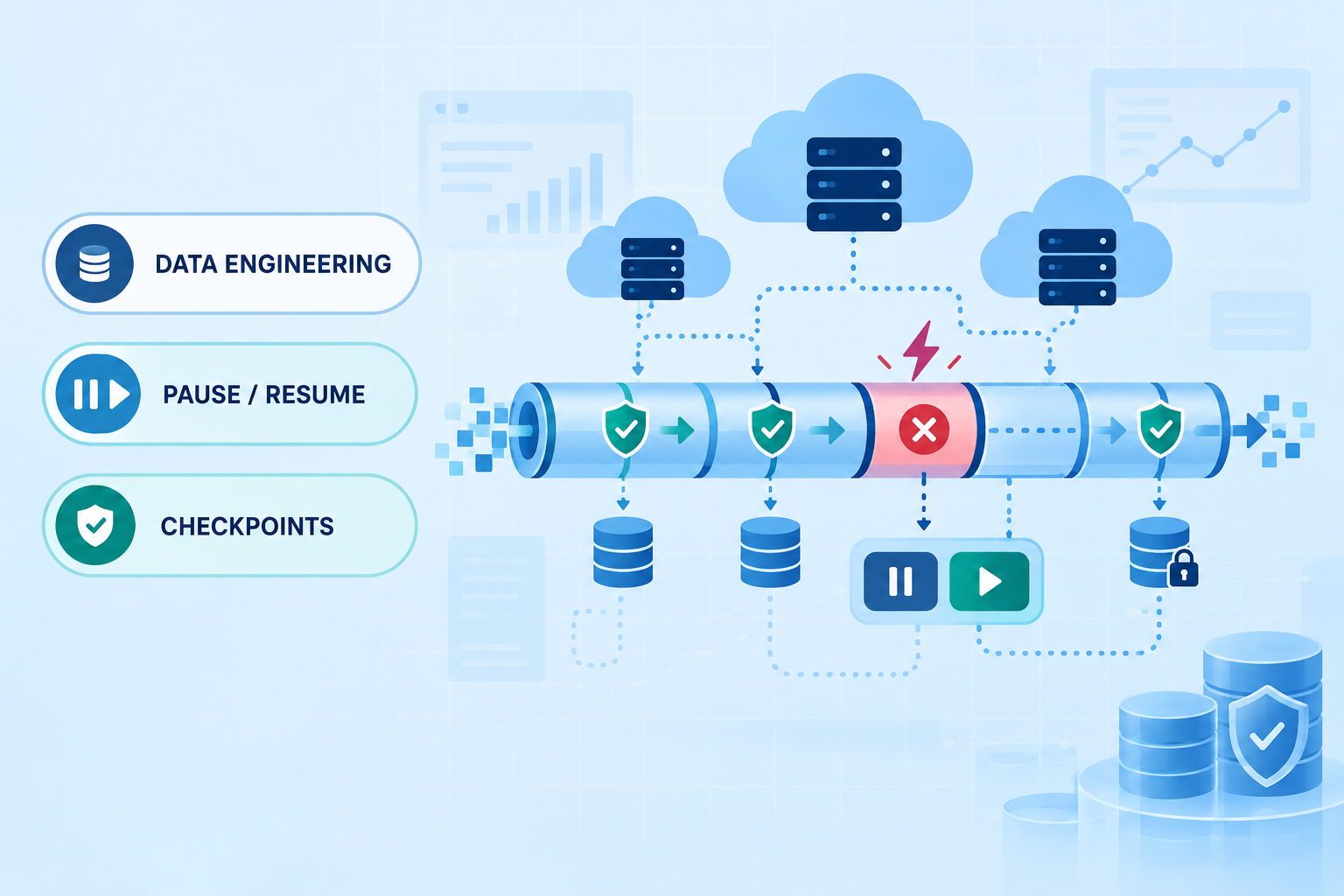
A downstream consumer can read changes only while the required table history remains available. Set retention from the longest realistic outage plus recovery margin. Record the last committed table version for each consumer. Alert before vacuum or lifecycle policies remove history needed for restart.
Test update semantics
Changes include inserts, deletes and update pre- and post-images. Downstream systems may want the latest row, an immutable audit trail or a pair of before-and-after events. Define how keys, schema evolution and repeated updates within a processing window are handled. Do not infer a business event from a technical row change without domain rules.
Benchmark the cost shift
Automatic CDF moves work from write time to change-read time. Measure writer latency, storage, reader compute, scan volume and recovery duration for your update pattern. A table with many consumers may trade one materialized feed for repeated computation. Cache or consolidate downstream processing where evidence supports it.
Preserve idempotent delivery
Use version checkpoints and transactional or deduplicating sinks. A failed consumer may reread a version range, so downstream effects must tolerate replay. For ERP synchronization, device-state copies or customer notifications, separate data capture from irreversible action.
Run both paths before switching
For an existing legacy CDF table, replay a representative version range through both approaches and compare counts, keys, change types and final target state. Test deletes, merge operations, schema changes, delayed consumers and a checkpoint restore. Keep a documented fallback until production lag and reconciliation stay within thresholds.
Govern access to history
Change records can expose values that were later corrected or deleted. Apply the same row, column and purpose controls used for the base table, and consider stricter retention for sensitive pre-images. Audit which consumers read historical changes.
The takeaway: automatic CDF can simplify incremental architecture and reduce duplicated change storage. The savings become durable only when row identity, history retention, replay and downstream semantics are treated as a product contract.
From announcement to dependable operations
Start with a bounded business problem and an accountable owner. Record the current cost, delay, failure rate, and manual work before changing the architecture. Define a measurable outcome, but do not present an estimate as guaranteed savings. Include security, finance, operations, and the people who will support exceptions after launch.
Map the current workflow before selecting technology. Identify the source of truth, approval points, downstream consumers, sensitive data, recovery objectives, and every manual workaround. Decide which step the new capability improves and which steps remain unchanged. This prevents a demonstration from being mistaken for an end-to-end operating solution.
Build a representative pilot with real permissions, data volume, dependency behavior, and user roles. Test peak demand, missing data, stale configuration, denied access, duplicate input, partial failure, recovery, and rollback. Document what continues when the new capability is unavailable. Keep an approved manual path for high-consequence decisions.
Security must be part of the design. Use separate workload identities, short-lived credentials, least privilege, encrypted transport and storage, controlled secrets, and auditable administrative access. Treat retrieved documents, event payloads, model output, and third-party responses as untrusted input. Validate every action at the boundary where it affects money, data, equipment, customers, or regulated records.
Cost controls need similar depth. Tag usage to a product and owner, define budgets and anomaly thresholds, measure cost per successful business outcome, and include integration, support, data movement, licensing, and training. A lower infrastructure bill can be offset by more exceptions or human correction. Evaluate total process cost rather than one service price.
Operate the result like a product. Monitor availability, latency, unit cost, data quality, security findings, user adoption, exceptions, and support effort. Version configurations and decision rules. Log changes and approvals. Review whether the capability still solves the original problem as prices, products, and workflows evolve.
Prepare the support model before launch. Give responders dashboards, runbooks, ownership, escalation paths, and safe diagnostic access. Alert on stale data and silent degradation, not only complete failure. Practice a dependency outage and verify that queued work, retries, reconciliation, and user communication behave as designed.
Change management is also technical risk control. Explain what users should trust, what they must verify, and how they report a wrong result. Train with real scenarios and capture overrides as useful feedback. Do not measure adoption by logins alone; measure whether the process becomes faster, safer, or more accurate.
Maintain a decision record that states why the technology was selected, which alternatives were considered, which risks were accepted, and what would trigger redesign or retirement. Review it after incidents and major vendor changes. Portability does not require avoiding managed services; it requires knowing which data, contracts, identities, and operational procedures must survive a change.
Expansion should follow evidence. Compare the pilot with its baseline, include the cost of integration and governance, and retire components that no longer earn their complexity. A new feature creates value only when teams can understand it, control it, recover it, and improve it without depending on one specialist.
Finally, schedule a formal review after thirty and ninety days. Ask whether users changed behavior, whether exceptions moved elsewhere, and whether actual costs match the forecast. Publish the findings to sponsors and delivery teams. If value is weak, narrow the scope or stop. Responsible innovation includes the ability to end an experiment cleanly.
Sources
Build it with Cogniquaint experts
Cogniquaint’s data engineers can assess table eligibility, model retention and read costs, design version checkpoints and idempotent sinks, validate legacy-versus-automatic feeds, and govern historical changes across analytics, ERP and operational integrations.
Work with Cogniquaint
Ready to elevate your operations with AI-powered insights?
Get in touch with us to build your next intelligent solution.